Fence Project Portfolio
Recent Fence Installations
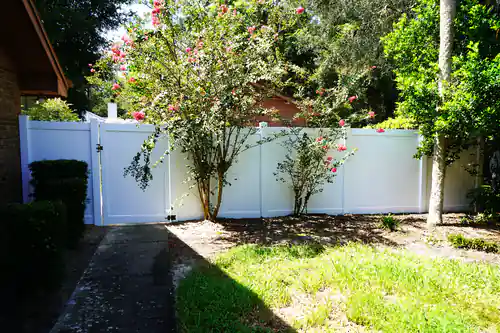
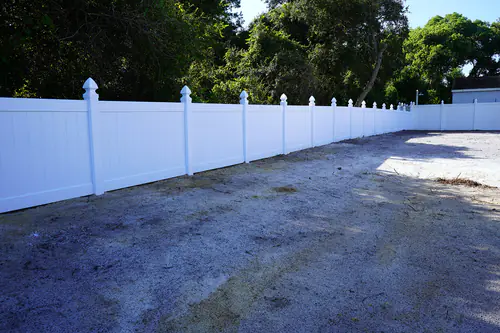
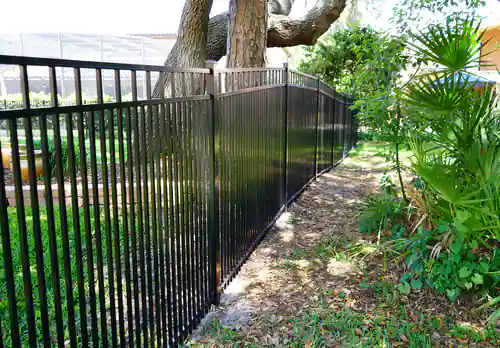
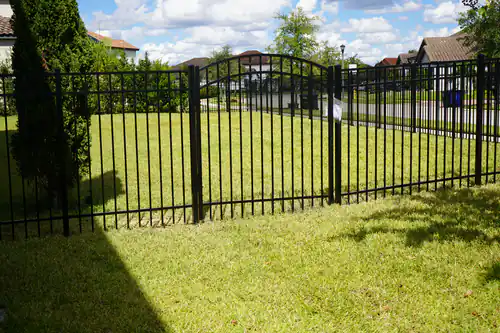
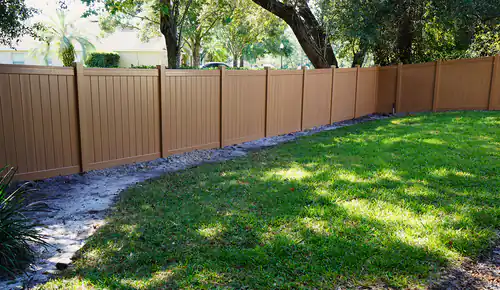
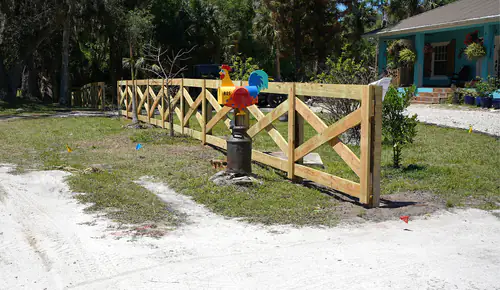
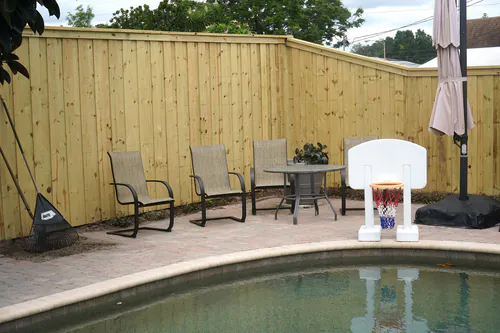
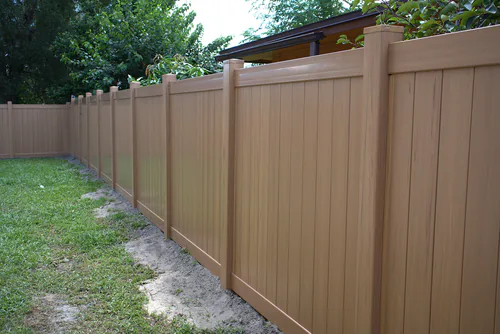
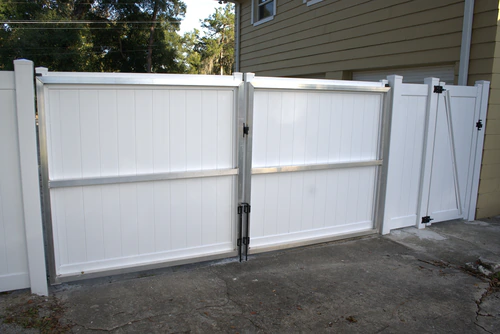
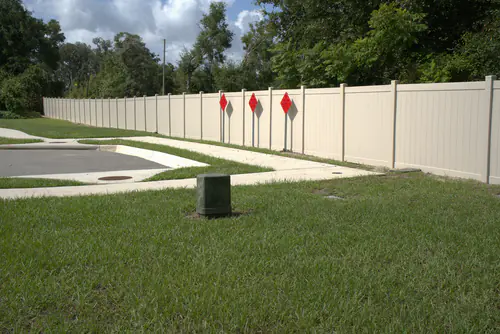
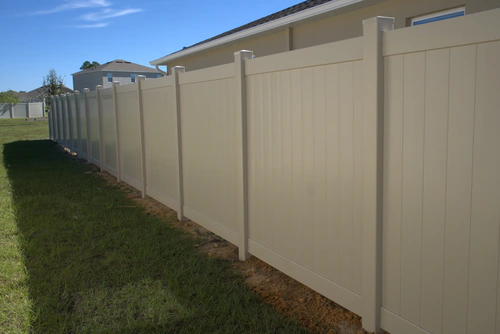
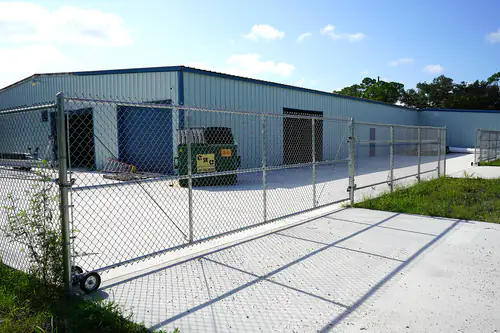
Why start with photos of finished fences?
Because a fence is genuinely hard to picture from a brochure. Every project above was photographed on the property where we built it, after the crew swept up and drove away, so what you are looking at is the finished thing rather than a rendering or a manufacturer's catalog shot. The towns change from one job to the next. Deltona, DeBary, Lake Mary, Longwood, New Smyrna Beach, Orlando, Apopka and Winter Garden are all represented so far, which covers most of the ground from the coast across to west Orange County.
Most people arrive here the same way. They have walked their own back yard a few times with a tape measure, trying to work out whether a four foot picket is enough or whether the run needs to be six feet of solid panel. That is a hard call to make in the abstract. It gets much easier once you can look at white vinyl standing against a brick ranch, or a black aluminum panel threaded past a live oak, and say yes or no to it. Open any project above for the full set of photos, the material and height we used, and the detail about that particular lot that changed how we built it.
New projects go up as jobs finish. Some months bring a couple and some bring none, because a fence goes in when the permit clears and the weather cooperates rather than when we need something new to post. What is on this page is a fraction of what we have built. If you do not see your material or your town, ask when you call and we will pull photos of something closer to you.
What do these fence projects have in common?
Very little on the surface, which is exactly why they are worth seeing together. There is a crossbuck ranch rail across a coastal cottage frontage, a board on board privacy fence wrapping a pool patio, and a galvanized chain link yard behind a commercial building. Those three builds have almost nothing to do with each other. One is meant to be seen through. One exists so nobody can see through it. The third has to survive a delivery truck.
What they share is the part nobody photographs. Every job began with a property line confirmed on paper rather than guessed from an old pin, then a utility locate, then a string line, then post holes dug to a depth the soil on that particular lot actually requires. Sandy coastal ground in New Smyrna Beach does not hold a post the way ground under a Lake Mary oak canopy does, and neither behaves like a cleared Deltona lot. The fence you see in the photo is the last ten percent of the work.
The other thing they share is that a real person had to live with the result. That shapes decisions that never appear on an estimate: which way a gate swings, whether the run bends around a tree, how tall the fence needs to be before it stops being a boundary and starts being a wall. Our vinyl fence installation and wood fence installation pages cover the materials in more detail.
How do you choose between vinyl, aluminum and wood?
Start with what the fence has to do, not with what it costs. If the job is privacy, you are choosing between solid vinyl panel and a wood privacy fence, and the honest comparison is not the day one price but the ten year one. Vinyl costs more to install and nothing to maintain. Wood costs less to install and asks for a cleaning and a reseal every few years, forever.
If the job is a boundary rather than a screen, aluminum is usually the answer. It keeps the sight lines, it does not rust, and where a pool is involved a four foot panel with a self closing and self latching gate is the standard way to satisfy Florida's residential pool barrier rules. Confirm the current requirements with your county before you order, because enforcement varies and the rules do get updated.
Then there is the middle ground people forget about. Woodgrain vinyl gives you a fence that reads as stained timber from ten feet away and never needs a brush, which is exactly why the Lake Mary project in this portfolio went that way. Chain link still earns its place on long runs where budget matters more than looks, and our aluminum fence installation and chain link fence installation pages lay out where each one fits.
What happens between the estimate and the finished fence?
We come out and measure. Not a rough figure over the phone, because a phone number is a guess and a guess is how homeowners end up with a total that moves after the work starts. Somebody walks the line with you, counts the corners, counts the gates, looks at the slope, and finds out whether there is a slab, a septic lid or a tree root sitting where a post wants to go. Then you get it in writing.
Next comes the paperwork nobody enjoys. Most of Volusia County wants a permit for a residential fence, and a current survey is usually part of that submission, because existing corner pins on their own rarely satisfy a review. Seminole and Orange County have their own requirements, and a homeowners association can add another layer on top. We would rather sort that out before the crew is booked than after.
Then the utility locate goes in, the string line goes up, the posts get set in concrete, and the concrete gets left alone to cure before a single panel is hung. Crews clean up the spoil and haul the old fence away if there was one. If you want the detail on how a job actually runs, our fence installation page covers it, and fence contractors in DeBary has more on working in this part of Volusia County.
Ready to get a fence like one of these?
Tell us which project is closest to what you have in mind and we will come out, measure the run, and put a written price in your hands. Free estimates, no obligation.