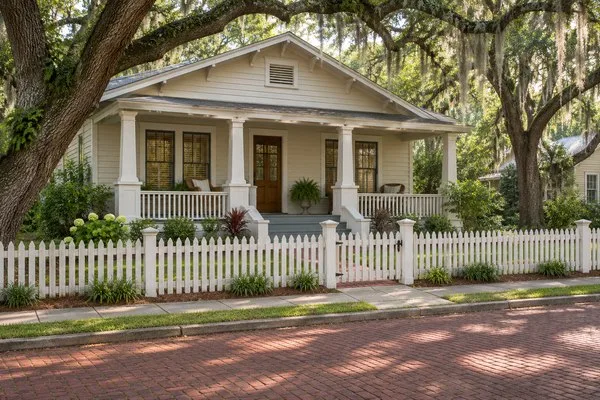
When you're installing a fence in a historic district, you need to make sure it will satisfy applicable review requirements and that it fits the home's architecture. In Sanford, that usually points to a classic wood picket or a black aluminum fence that reads like wrought iron, kept low and open in the front yard.
The right fence contractors will help you get the design approved before anything goes in the ground.
At Byers Fence, we work with Sanford homeowners who want a fence that respects their home's character. Reach out to our team or call (386) 457-2045 to talk through your plans.
Why Do Historic Homes Often Need Design Approval Before a Fence Goes Up?
A fence is one of the most visible changes you can make to a historic property. Districts often review exterior changes like fences so the streetscape keeps its character.
Sanford's historic district comes with specific requirements for exterior improvements. A review may look at the fence's style, height, material, and where it sits on the lot. A front yard fence on a tree-lined street in the historic neighborhoods south of First Street affects how the whole block looks, not just your house.
Requirements can change, and they can differ from one property to the next. Before you choose a style or place an order, confirm the current requirements with the City of Sanford. Ask what needs approval, what the application involves, and how long review usually takes.
That one call can save you from building a fence that has to be changed later. It also tells you how much lead time to plan for. Our Sanford fence contractors page covers the work we do across the city, from historic homes to newer neighborhoods.
Wood Picket or Black Aluminum: Which Fits a Historic Home?
Both can fit beautifully. Wood picket suits bungalows, cottages, and Victorians with a traditional look. Black aluminum suits homes where wrought iron would feel right.
A painted or stained wood picket fence is the classic choice for older homes. We build wood fences on site from pressure-treated YellaWood, which stands up to Florida moisture and insects, and cedar is another option. We usually recommend staining, because it helps the wood handle heat, sun, and afternoon storms.
A custom arch top gate can echo details on the porch. See our wood fences for options.
Black aluminum gives the look of iron without the rust or upkeep. Spear tops add curb appeal, and flat tops keep a simpler line. The powder-coated finish keeps its color through sun and salt air, which helps on homes near the Lake Monroe waterfront. Learn more about our aluminum fences.
Look at your home's trim, porch railings, and windows when you choose. The fence should look like it belongs with the house rather than in a new subdivision.
Why Should Front Yard Fences Stay Low and Open?
A low, open front fence frames a historic home instead of hiding it. The porch, the windows, and the details are the reason the house matters, so the fence should let people see them.
Tall, solid fences in front can cut a house off from the street. A picket fence with even spacing, or an aluminum fence with open pickets, defines the yard while keeping the facade in view. It also keeps the neighborly feel these streets are known for.
Save privacy for the back. Many homeowners use a low decorative fence in front and a taller fence behind the house, where it is less visible from the street. That split often gives you both character and privacy.
Picture a porch along Magnolia Avenue. A waist-high white picket fence keeps a dog or a toddler in the yard and still lets the porch columns and front steps carry the view. Before you settle on heights, confirm with the City of Sanford what is allowed for front and back yards on your property.
How Do a Contractor's Drawings and Samples Smooth the Approval?
Clear drawings and real material samples answer a reviewer's questions before they have to ask. That can make the approval step move more smoothly.
A good submittal usually starts with a site plan showing exactly where the fence runs, including gates and the front setback. Add a drawing of the fence face with its height, picket shape, and post caps. Include the color and finish.
Samples help everyone picture the result. A piece of the actual picket or a section of aluminum shows the profile and finish in a way a brochure cannot. Photos of similar installs help too.
We review your requirements before installation and handle the approval processes needed, so you are not filling out forms alone. Ready to plan a fence that fits your historic home? Call (386) 457-2045 or contact us to request an estimate from Byers Fence.