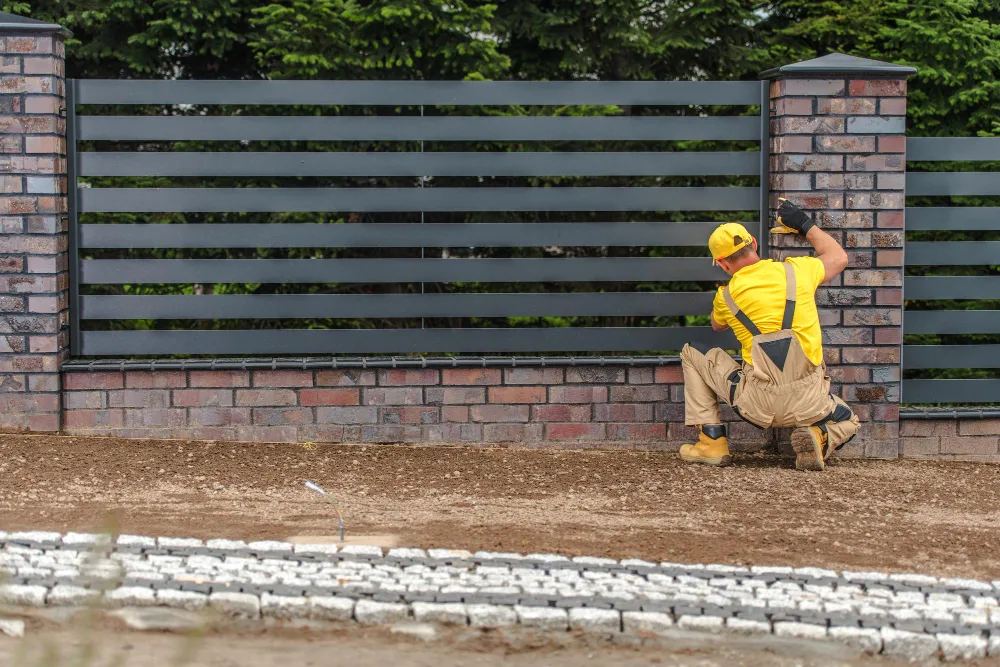
Living in Deltona means enjoying the sunshine, firing up the grill, and relaxing in your backyard. But it's hard to truly relax when you feel like you're on display for the neighbors or the traffic down Saxon Boulevard. A good privacy fence transforms your yard into a personal sanctuary, but choosing the right material is about more than just looks.
In Central Florida, our fences have to work hard. They need to stand up to intense UV rays, heavy afternoon thunderstorms, and the occasional hurricane. If you pick the wrong material, you might find yourself replacing it in just a few years. That is why finding reliable fence contractors in Deltona Florida is the first step toward a backyard upgrade that actually lasts.
When you start planning your fence installation, you need to weigh durability against your budget. Let’s break down the best materials for our unique local climate so you can make a choice you will be happy with for years to come.
Is a wood fence the right choice for my backyard?
Wood is the classic choice. It offers that natural, warm look that blends perfectly with the oak trees around neighborhoods near Green Springs Park. It is also the most customizable option; you can stain it, paint it, or build it to a specific height for maximum privacy.
However, wood requires love. In our humid climate, moisture is the enemy. Without proper care, wood can rot, warp, or become a snack for termites. In Florida, you typically have three main choices for wood:
- Pressure-Treated Pine: This is the most common option in our area because it's treated to resist rot and insects. It is also cost-effective.
- Cedar: This has natural insect-repelling properties and smells great, but it costs significantly more than pine.
- Redwood: Highly durable and beautiful, but it comes with a premium price tag.
Why it matters:
While wood is affordable upfront—typically running between $20 and $35 per linear foot installed—it has a lifespan of about 10 to 15 years in Florida. That is shorter than other materials. If you choose wood, you must be prepared to seal it regularly. If you neglect it, you will likely need to call a professional for fence repair sooner than you expected to fix warped boards or leaning posts.
Why is vinyl fencing so popular in Central Florida?
Drive through any newer subdivision in Deltona, and you will see white vinyl fences everywhere. There is a good reason for that. Vinyl (PVC) is engineered to handle the Florida elements. It does not rot, termites hate it, and it never needs to be painted.
Vinyl is essentially the "set it and forget it" option. It handles our intense humidity without breaking a sweat. Modern vinyl also comes in tan, gray, and even wood-grain textures if the stark white look is not your style.
Why it matters:
The upfront cost is higher than wood, usually ranging from $25 to $40 per linear foot installed. However, a vinyl fence can easily last 20 to 30 years. When you do the math, paying a little more now often saves you money on maintenance and replacement costs down the road. The only real "maintenance" involved is spraying it down with a garden hose once a year to wash off the pollen and dirt.
Can aluminum fences provide enough privacy?
Aluminum is sleek, elegant, and incredibly durable. It does not rust like steel or iron, which makes it a champion in Florida’s salty, humid air. You will often see these fences around pools because they meet safety codes without blocking the view.
The catch? Standard aluminum fencing is designed to be open. It defines boundaries nicely, but it does not block the view of your neighbor's patio. However, you can buy aluminum fences with privacy panels or tighter pickets, though these are less common and more expensive.
Why it matters:
If you have a pool, an aluminum fence is a smart investment, often lasting 30+ years. It costs roughly $30 to $50 per linear foot. While it might not stop prying eyes on its own, many homeowners plant hedges along the fence line to create a green, living privacy wall combined with the security of aluminum.
Are composite fences worth the investment?
Composite fencing is made from a blend of wood fibers and plastic. It tries to offer the best of both worlds: the natural look of wood with the durability of vinyl. It is eco-friendly (often made from recycled materials) and resistant to rot and insects.
Why it matters:
The durability is fantastic, but the price tag can be a shock. Composite materials are significantly more expensive than wood or vinyl. Additionally, because it contains wood fibers, it can sometimes be susceptible to mold growth in shady, damp corners of the yard if not cleaned. While not as common as vinyl in Volusia County, it's a strong contender if you want a wood look without the warping.
Does chain link a viable option for privacy?
We all know what a chain link looks like. It is purely functional. It keeps the dog in and the unwanted guests out. By itself, it offers zero privacy. However, you can weave privacy slats into the mesh or add a windscreen fabric.
Why it matters:
Chain link is your budget-friendly hero, coming in at $10 to $20 per linear foot. It is tough, secure, and installs quickly. According to HomeGuide, homeowners can expect to pay significantly less for chain link materials compared to wood or vinyl, making it a practical choice for fencing large perimeters where aesthetics are secondary to security. If you have a large lot out near Lake Monroe and just need to secure the boundary, this is the way to go.
How do you choose the right installer?
You might be handy with a shovel, but installing a fence in Florida is tough work. We are not just talking about digging holes; we are talking about dealing with sandy soil, hidden tree roots, and strict building codes.
In Florida, your fence needs to be rated to withstand wind speeds, depending on exactly where you live. If a storm blows your DIY fence down, your insurance of 130 to 150 mph might not cover it if it was not built to code. Plus, the City of Deltona and Volusia County often require permits and surveys to ensure you're not building on your neighbor's property line.
Why it matters:
Hiring professional fence contractors in Deltona Florida ensures the posts are set deep enough (usually in concrete) to survive hurricane season. A professional team handles the permitting process for you, saving you a trip to the municipal building and the headache of paperwork.
How do I maintain my fence in this climate?
Regardless of what you buy, a little maintenance goes a long way.
- Wood: Stain or seal it every 2-3 years. Keep sprinklers from hitting the fence directly, as the hard water in Central Florida leaves nasty stains and accelerates rot.
- Vinyl: Wash it annually with mild soap and water to prevent algae buildup.
- Aluminum: Inspect the fasteners occasionally to make sure they are tight.
- Vegetation: Keep vines and bushes trimmed back. Plants hold moisture against the fence, which accelerates decay for wood and causes mold on vinyl.
Making the Right Decision for Your Home
Choosing a fence is a balance between what you want to spend today and what you want to do tomorrow. If you want the lowest upfront cost, wood or chain link is the answer. If you want to spend your weekends relaxing rather than painting, vinyl is the clear winner.
We know every home in Deltona is different. Whether you're in the older, established neighborhoods or a new build, we can help you find the perfect match.
If you're looking for experienced fence contractors in Deltona Florida, we are here to help. We provide honest estimates and quality craftsmanship that stands up to the Florida weather.
Ready to upgrade your backyard privacy? Contact Byers Fence today at (386) 457-2045 for a free project estimate.