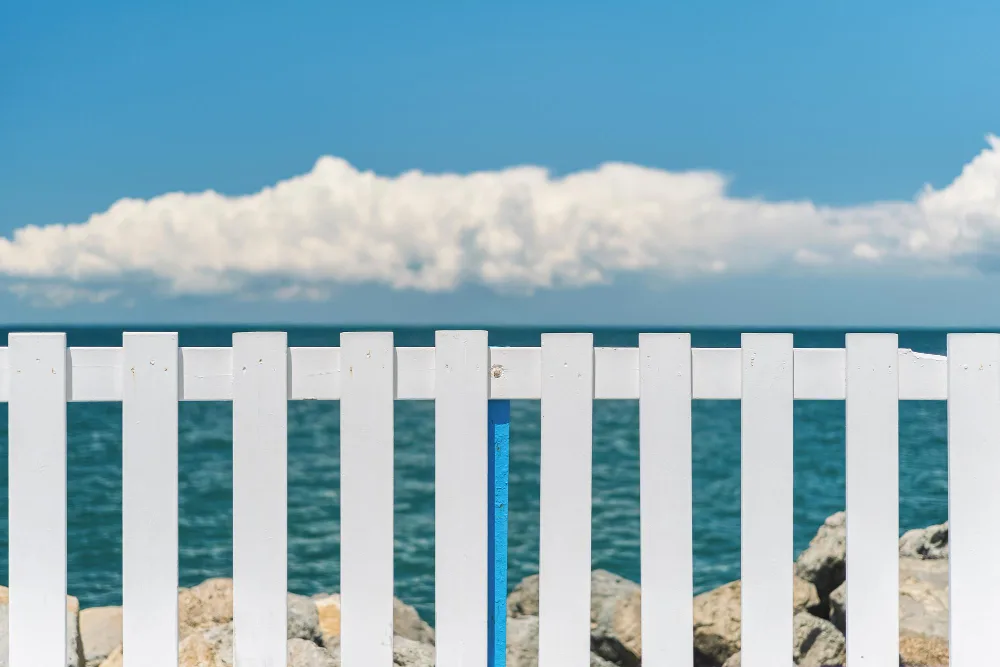
Owning a waterfront property in Daytona Beach is a dream for many homeowners, but fencing one comes with real challenges most contractors don't prepare you for. Salt air off the Atlantic can corrode standard fence materials in as little as 2-3 years. High winds along the Intracoastal Waterway regularly top 40-50 mph during storm season, June through November. If you want a fence that holds up and still looks great, the material and the contractor you choose matter more than you'd think.
Contact Byers Fence today at (386) 457-2045 for a free estimate on your waterfront fence project.
Why Does Coastal Fencing in Daytona Beach Fail Faster?
Standard residential fencing fails faster on waterfront lots because salt air accelerates oxidation in metal and moisture penetration in wood. Properties along the Halifax River or oceanfront stretches near Daytona Beach Shores see this happen within 18-24 months when the wrong materials get used. The combination of salt spray, UV exposure, and high humidity creates a triple threat that simply doesn't exist for inland properties. That's why choosing the right materials from the start saves you thousands in premature fence repair costs down the road.
What Do Volusia County Codes Require for Waterfront Lots?
Waterfront lots in Volusia County follow specific setback and height restrictions that differ from standard residential properties. Most waterfront parcels require fence setbacks of 10-25 feet from the mean high-water line, depending on your specific zoning district. Height limits along the water-facing side typically cap at 4 feet, while side and rear yard fencing can go up to 6 feet in many zones. Permit fees in Volusia County generally run $75-$150 for residential fence projects, and installations that don't comply can result in costly removal orders.
Working with fence contractors in Daytona Beach who know these local rules saves you from expensive mistakes. A contractor unfamiliar with Volusia County waterfront zoning might install a 6-foot fence right on the seawall, only for you to receive a code violation notice weeks later.
Which Materials Hold Up Best on the Florida Coast?
The three best-performing fence materials for Daytona Beach waterfront properties are high-grade vinyl, powder-coated aluminum, and pressure-treated wood, each with different trade-offs.
High-grade vinyl is the top performer for salt air resistance. Quality vinyl contains UV inhibitors and won't rust, rot, or require painting. Expect to pay $25-$40 per linear foot installed for a standard 4-foot vinyl privacy or picket fence on a waterfront lot. Vinyl can fade slightly over 10-15 years, but it won't corrode or splinter.
Powder-coated aluminum is the best choice if you want a decorative, open-style fence that frames your Atlantic or Intracoastal view. The powder coating adds a protective barrier against salt corrosion, and quality aluminum fencing can last 20-30 years in coastal conditions. Installed costs typically run $30-$50 per linear foot. Avoid standard painted aluminum; the coating chips and allows rust to take hold within a few seasons.
Pressure-treated wood costs less upfront, around $15-$25 per linear foot installed, but it demands the most maintenance in a coastal environment. Annual sealing is non-negotiable to prevent moisture damage and graying from sun exposure. We typically see untreated or poorly sealed wood fences on Daytona Beach waterfront properties showing significant deterioration within 3-5 years. With proper care, treated wood can last 10-15 years and delivers a warm, natural look that many homeowners love.
How Do You Get Security Without Blocking Your Water View?
Horizontal rail aluminum fencing with wide spacing is the most popular style for waterfront properties that want to preserve sightlines. A 3-4 rail aluminum design with 3-4 inch spacing between pickets provides a clear boundary without creating a visual wall between your yard and the water. Spear-top or flat-top picket styles work well here and satisfy most Volusia County height requirements.
For properties near Ponce Inlet or along the Intracoastal near Port Orange, homeowners often combine a shorter 3-4 foot aluminum fence on the water-facing side with a taller vinyl privacy fence on the street side. This setup gives you an open view toward the water and privacy from the road. Fence contractors in Daytona Beach who work regularly on waterfront lots can walk you through the style combinations that make sense for your specific lot orientation.
How Do You Maintain a Beachfront Fence to Prevent Corrosion?
Rinse your fence with fresh water every 4-6 weeks during the summer months, and monthly the rest of the year. This is the single most effective maintenance task you can do for any coastal fence, and most homeowners skip it entirely. Salt residue builds up on surfaces and accelerates corrosion or UV degradation, even on vinyl.
For aluminum fences, inspect the powder coating annually for chips or scratches. Touch up bare spots with a matching paint rated for marine environments to stop corrosion before it spreads. For wood fences, reseal every 12 months with a penetrating oil-based sealer rather than a film-forming product. Film sealers trap moisture beneath the surface as they crack, which makes the problem worse over time.
Check post bases every spring. Posts set in concrete near the waterline are especially prone to moisture intrusion at the concrete-wood interface. Catching a rotting post base early costs $50-$150 to repair; letting it go until the fence section leans or collapses costs 3-4 times more.
Ready to Protect Your Waterfront Property?
Fencing a waterfront property in Daytona Beach isn't the same as fencing a standard lot, and the difference in materials, codes, and installation methods is significant. The right fence adds real value to your property, meets Volusia County requirements, and handles the salt, sun, and wind that Florida throws at it year after year.
Byers Fence serves Daytona Beach and the surrounding Volusia County area with licensed and insured fence installation and fence repair services. Our team knows coastal properties and the specific demands that come with them. Call us at (386) 457-2045 to schedule a free on-site estimate and let us help you protect your investment with a fence built to last on Florida's coast.