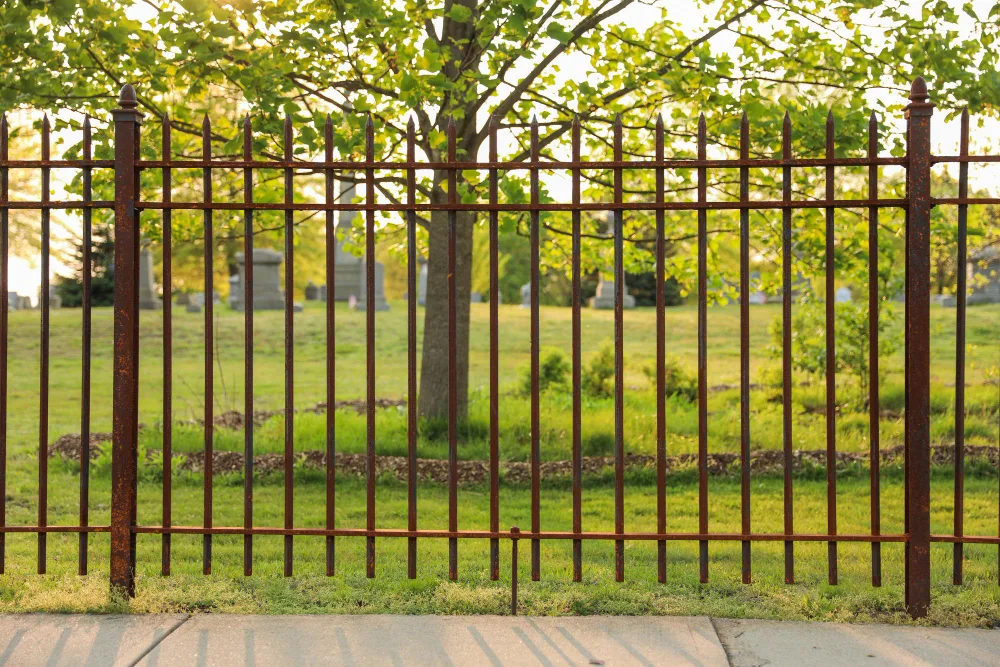
Living in Florida means spending a lot of time outdoors. Whether you're grilling in the backyard, letting the dog run around, or just soaking up the sun, having a good fence makes all the difference. It provides privacy, security, and a clear boundary for your property. But let's face it: home improvement projects can get expensive quickly. If you have been staring at a quote that made your eyes water, you're probably wondering if there is a middle ground between a wide-open yard and emptying your savings account.
The good news is that you do not have to sacrifice quality or aesthetics just to save money. There are plenty of budget-friendly options that still look great and stand up to our tough local weather. From the salt air coming off the Atlantic to the humidity that sticks around all summer, your fence needs to be tough. Finding that balance between durability and affordability is the key.
If you're looking for reliable fence installation, knowing your material options first can save you a lot of headaches. By choosing the right materials and understanding what works best in our specific climate, you can build a beautiful perimeter around your home without breaking the bank.
Which material gives you the best bang for your buck?
When it comes to fencing, the material you choose has the biggest impact on the final price tag. Here is a breakdown of popular, cost-effective choices found right here in Central Florida.
Wooden Fences: The Classic Choice
Wood is often the first choice for homeowners because it offers that traditional, warm look at a reasonable price point. In our area, pressure-treated pine is the most common option because it resists rot and termites better than untreated wood.
Why it matters:
Wood fences typically cost between $20 and $35 per linear foot installed. This makes them a solid mid-range option. While cedar is beautiful and naturally resistant to insects, it's generally more expensive than pine.
However, you need to keep maintenance in mind. Florida’s sun and rain can be brutal on wood. To keep a wood fence looking fresh and lasting its full 10-15 year lifespan, you will need to stain or seal it every few years. If you skip this step, the wood can warp or rot, leading to earlier replacement costs.
Chain-Link Fences: The Budget Champion
If your main goal is keeping the dog in the yard or defining your property line without spending a fortune, chain-link is hard to beat. It is arguably the most affordable fencing option available.
Why it matters:
You are looking at roughly $10 to $20 per linear foot for installation. While some people worry that chain-link looks too industrial, modern options come with vinyl coatings in black or green that help the fence blend into your landscape. It is incredibly durable, withstands high winds easily (since the wind passes right through), and requires almost zero maintenance. With a lifespan of 15-20 years, it's a "set it and forget it" solution.
Bamboo Fences: The Eco-Friendly Aesthetic
Bamboo has gained popularity recently for its unique, tropical look—perfect for a Florida vibe. It acts as a great privacy screen. Typically, bamboo comes in rolls that you can attach to an existing structure or a simple frame.
Why it matters:
Bamboo is fast-growing and sustainable. However, in our humid climate, you have to be careful. If not treated properly, bamboo can rot or become a home for pests. It is often best used as a decorative cover over a sturdy, inexpensive chain-link fence to add privacy and style for a low cost.
Vinyl Fences: The Long-Term Saver
Vinyl (PVC) fencing might have a higher upfront cost than wood, but it often wins the "inexpensive" title when you look at the long term.
Why it matters:
Installation typically runs $25 to $40 per linear foot. That sounds like more money right now, but consider the lifespan: vinyl fences can last 20-30 years in Florida. They do not rot, they do not need painting, and termites hate them. A simple wash with a garden hose is usually all the maintenance they need. When you factor in zero costs for stain or paint over two decades, vinyl often ends up being cheaper than wood in the long run.
Should you DIY or hire a professional?
We all love the idea of saving money by doing things ourselves. It is tempting to watch a few videos and head to the hardware store. However, fencing is physically demanding work, and in Florida, it requires specific know-how.
Why it matters:
Labor is a significant part of the cost, usually around 50% of the total project price. Doing it yourself keeps that cash in your pocket. But if you set the posts incorrectly, your fence could lean or fall over within a year.
Furthermore, Florida soil can be sandy or full of roots, making digging difficult. If you hit a utility line or encroach on your neighbor's property, the legal and repair fees will wipe out any savings instantly. We often get calls for fence repair to fix DIY projects that could not handle the first big summer storm. Hiring a professional ensures the job is done right the first time, with a warranty to back it up.
What local factors do you need to consider?
Building a fence in Ormond Beach isn't the same as building one in Ohio. We have unique rules and environmental challenges here.
Why it matters:
First, there are zoning laws. Whether you live near Tomoka State Park or closer to the Halifax River, you need to know where your property line actually is—not just where the grass stops being mowed.
Second, wind ratings are non-negotiable. Florida building codes are strict because of hurricanes. Your fence needs to be able to withstand wind speeds of 130-150 mph depending on exactly where you're located. A flimsy DIY fence might turn into a projectile during a storm.
Lastly, if you live in an HOA community, like those in Halifax Plantation or Breakaway Trails, you likely have strict guidelines on materials and colors. Many fence contractors in Ormond Beach Florida are already familiar with these HOA rules and can help you avoid a fine.
Breakdown of the costs
Let's look at the numbers side-by-side so you can plan your budget. These ranges include materials and professional installation for a standard residential yard in our area.
- Chain Link: $10 - $20 per linear foot.
- Pressure Treated Wood: $20 - $35 per linear foot.
- Vinyl (PVC): $25 - $40 per linear foot.
- Aluminum: $30 - $50 per linear foot.
According to HomeGuide, the national average for fence installation lands around $2,000 to $4,500 depending on size and material, but your specific local conditions will dictate the final quote.
Remember, the cheapest option upfront isn't always the cheapest over 10 years. If you install a wood fence but fail to seal it, you might be replacing it in 7 years. A vinyl fence might cost 20% more today but could last 25 years with zero extra dollars spent.
Getting the best value for your home
Finding the right fence is about balancing your immediate budget with your long-term goals. Whether you choose the utility of chain-link, the classic look of wood, or the durability of vinyl, you can find a solution that improves your home's value and curb appeal without overspending.
Navigating permits, HOAs, and wind codes can be tricky. That is why working with experienced fence contractors in Ormond Beach Florida is a smart move. We understand the local soil, the weather patterns, and exactly what it takes to build a fence that stays standing.
If you're ready to explore your fencing options, we are here to help. Contact Byers Fence today at (386) 457-2045 for a free consultation. Let's build something great together.