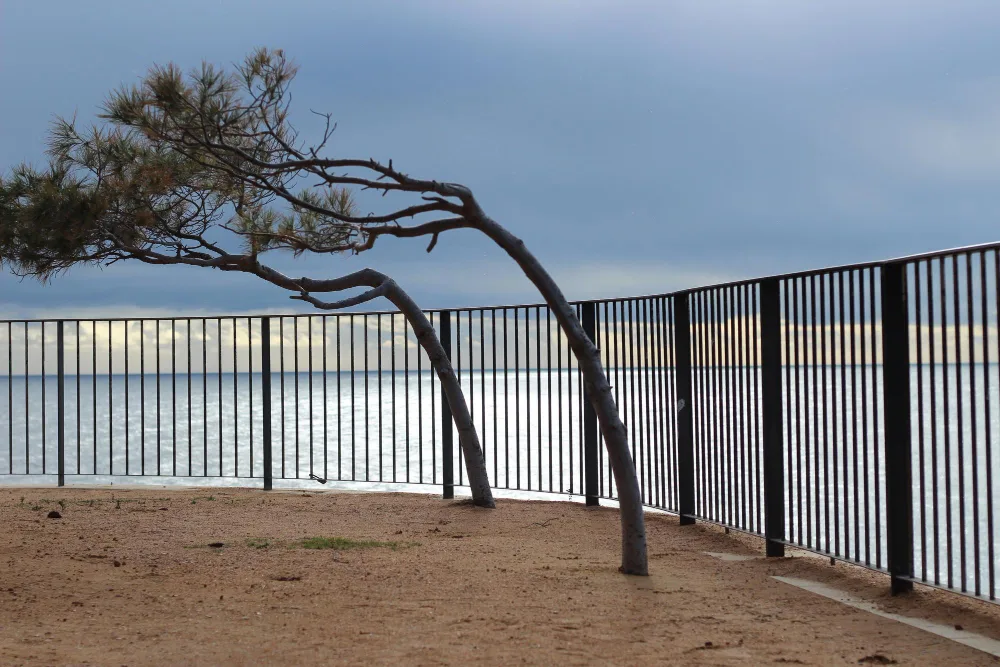
If you live in Deltona or anywhere in Volusia County, you already know what storm season feels like. Wind gusts that snap fence posts overnight. Panels ripped off and scattered across the yard. The kind of damage that leaves you calling fence contractors in Deltona before the rain has even stopped.
Choosing the right fencing before a storm hits can save you thousands in repairs and a lot of stress. Contact Byers Fence today at (386) 457-2045 for a free estimate on hurricane-resistant fencing options.
What Are Florida's Wind Zones and HVHZ Requirements?
Florida divides the state into wind speed zones that determine how structures, including fences, must be built. Volusia County, where Deltona sits, falls within a zone requiring structures to withstand sustained winds of at least 110 MPH, with higher gust tolerances required near the coast. Areas closer to the Atlantic, such as New Smyrna Beach and Daytona Beach, may fall within High-Velocity Hurricane Zones (HVHZ), where building requirements are even stricter.
These designations exist because wind loads on fences are real and measurable. A standard 6-foot privacy fence acts like a sail in a storm. Without proper anchoring and materials rated for high wind, even a well-built fence can fail when a Category 2 storm rolls through.
Florida's Building Code 8th Edition (2023) sets minimum standards for post depth, spacing, and material strength. Skipping permits or cutting corners on post footings might save a few hundred dollars upfront, but a collapsed fence during hurricane season can cost $1,500 to $4,000 or more to repair or replace.
What Materials Can Actually Survive 150+ MPH Winds?
The materials that hold up best in high winds are aluminum, vinyl rated for hurricane zones, and reinforced concrete. Each has different strengths depending on your property, budget, and priorities.
Aluminum holds up well because it doesn't rot, rust, or absorb moisture. The open-picket design also lets wind pass through rather than push against it. This "wind pass-through" effect dramatically reduces the force a storm can exert on the fence. Aluminum fencing rated for Florida wind zones typically uses heavier gauge posts (at least 1.5-inch wall thickness) and requires concrete footings poured 2 to 3 feet deep.
Vinyl is trickier. Standard vinyl fences are not built for hurricane conditions. However, vinyl fencing specifically engineered with internal aluminum reinforcement and rated for 130+ MPH winds can perform well. Look for products that meet the Florida Product Approval system requirements. These cost more upfront, roughly $25 to $45 per linear foot installed, but they hold up far better than standard vinyl panels.
Concrete and masonry walls offer the strongest protection but also the highest cost, often $50 to $100 per linear foot installed depending on height and finish. They're common in gated communities near areas like DeBary and Sanford and work well as boundary walls rather than full-perimeter fencing.
Vinyl vs. Aluminum vs. Concrete: Which Is Best for Coastal Homes?
For most Deltona homeowners, aluminum is the most practical choice. Here's why: it balances cost, durability, and wind resistance better than the alternatives. A standard aluminum fence installation in the $20 to $35 per linear foot range (installed) gives you long-term value without the maintenance demands of wood or the fragility of standard vinyl.
Vinyl with aluminum reinforcement comes in second, especially for homeowners who want the look of a solid privacy fence without wood. The key is verifying that the product carries a Florida Product Approval number before purchasing.
Concrete wins on pure strength, but it's overkill for most residential yards and carries a price tag that puts it out of reach for many homeowners. It also requires significant permitting and site preparation.
Wood is the most vulnerable material in a hurricane. We regularly see wood fences needing fence repair after even moderate tropical storms. If you're in a wind zone and replacing a damaged wood fence, this is a good time to consider switching materials entirely.
Does Professional Anchoring Really Make a Difference?
Yes, and it's one of the biggest factors homeowners overlook. A fence made from premium materials will still fail if the posts aren't anchored correctly.
Florida's sandy soil, common across Volusia County and much of Central Florida, doesn't grip fence posts the way denser soils do. Posts need to be set in concrete that extends below the frost line and well into stable ground. For a 6-foot fence in a wind zone, that typically means post holes 30 to 36 inches deep with an 8-inch diameter concrete footing.
Fence contractors in Deltona familiar with local soil conditions will know this. Someone who doesn't work in this area regularly might not. Beyond post depth, permit compliance matters for another reason: if an unpermitted fence causes property damage during a storm, your homeowner's insurance may deny the claim.
Our team at Byers Fence pulls permits, follows Florida Building Code requirements, and handles every installation to spec. That's not just good practice. It's how your fence actually survives the next storm.
How Do You Maintain a Hurricane-Resistant Fence Before Storm Season?
Storm season runs June through November in Florida. A fence that was installed correctly can still develop vulnerabilities over time, especially after a few wet seasons.
Check these four things before June each year:
- Post stability: Grab each post and try to rock it. Any wobble means the footing may have eroded. A loose post in sandy soil is one of the most common issues we find during pre-season inspections near communities like Deltona Lakes and Saxon Boulevard.
- Panel or picket integrity: Look for cracks in vinyl, corrosion at weld points on aluminum, or warped wood panels. Small damage spreads fast under hurricane-force wind loads.
- Hardware condition: Gate hinges, latches, and post caps all take abuse over time. Replacing a $15 hinge before a storm is much better than rehanging an entire gate after.
- Vegetation contact: Vines, shrubs, and tree branches that grow into or over a fence add weight and create wind resistance. Trim them back each spring.
If you spot damage, don't wait. A small repair in April costs far less than a full fence replacement in October.
Ready to Upgrade Your Fence Before the Next Storm?
The right fence material, properly installed and anchored to Florida code, gives your property a real line of defense against storm season. Most homeowners in the Deltona area spend between $3,000 and $8,000 on a full perimeter fence installation using hurricane-rated materials, depending on lot size and material choice. That investment protects landscaping, pets, privacy, and property value.
Byers Fence serves Deltona, DeBary, Sanford, and communities throughout Volusia and Seminole County. We're licensed, insured, and know this area well. Call us at (386) 457-2045 for a free on-site estimate. We'll walk your property, assess your current fence if you have one, and give you straight advice on what will hold up when it counts.