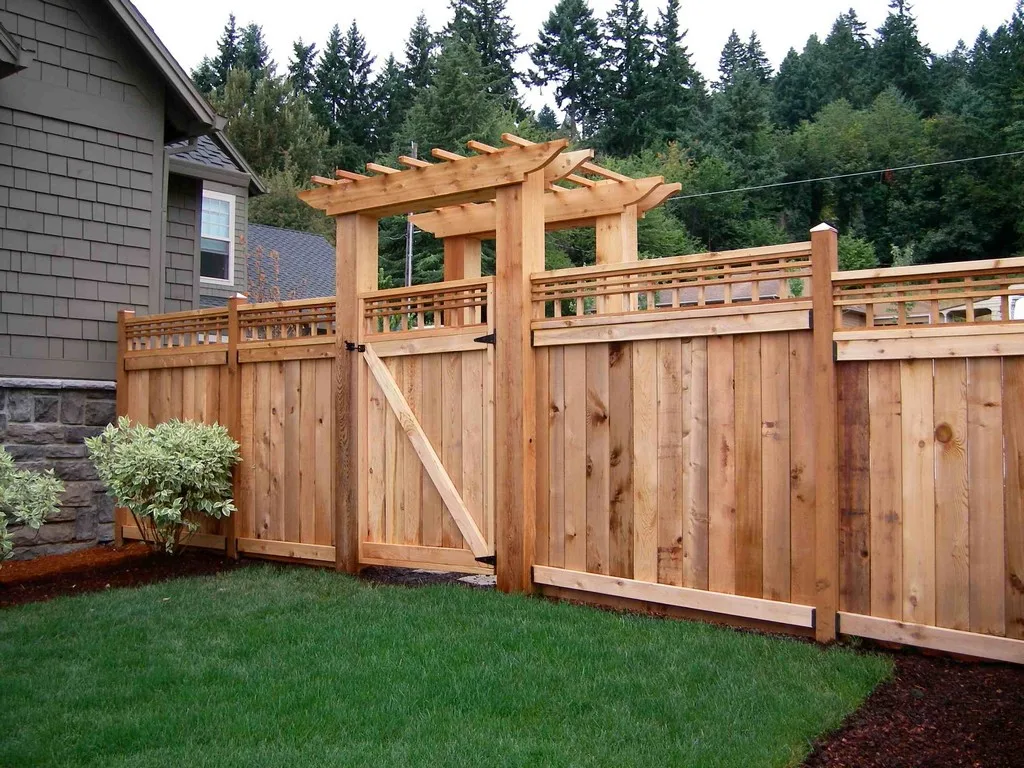
In Florida, residential fences are typically restricted to 6 feet in the backyard and 4 feet in the front yard. However, local codes and HOA rules often dictate exactly how high can you have your fence. Taller fences face higher wind loads during hurricanes and require specific engineering to survive.
Florida storms bring relentless winds that easily flatten poorly built property boundaries. You need to secure your yard long before the dark clouds roll in. Need help fortifying your property right now? Contact Byers Fence at (386) 457-2045 to schedule a free estimate today.
Last week, I completed a detailed trip log assessing storm-damaged fencing along the Volusia County coast. The catastrophic salt spray corrosion and hurricane wind-load damage I saw left dozens of yards completely exposed. Many homeowners assume they can just build higher to block the weather, but the reality is much more complicated. As a legacy contractor, we rapidly mobilize our crews after severe weather strikes to secure these vulnerable homes.
Here is exactly what you need to know about height limits, building codes, and keeping your property safe.
What Are the Florida Building Code Fence Height Regulations?
Most Central Florida municipalities restrict residential backyard fences to 6 feet and front yard fences to 4 feet. Commercial properties might allow construction up to 8 feet. You must check your specific county ordinances, as cities enforce strict setbacks and height limits to manage severe hurricane wind-load requirements.
State-level building codes provide a baseline, but local city ordinances vary wildly. If you live near the historic district of Sanford, you face strict rules about aesthetics and property line setbacks. When you wonder how high can you have your fence, you also need to factor in your Homeowner's Association (HOA). Many planned communities strictly limit boundaries to 4-foot decorative styles. Our technicians typically find that HOAs enforce their specific guidelines strictly, often requiring pre-approval before you dig a single post hole.
How Does Fence Height Affect Storm Resilience and Wind Load?
Taller fences catch more wind, creating a "sail effect" that dramatically increases the risk of structural failure during a hurricane. A 6-foot solid wood panel absorbs nearly 40% more wind pressure than a 4-foot version. Proper post depth and spacing become critical to prevent your taller fence from collapsing.
Different materials handle these storm forces in unique ways. We see this firsthand when doing fence installation projects across Central Florida.
Wood and Vinyl Panels
Solid wood and vinyl provide excellent privacy but act like giant sails during a hurricane. Wind load requirements demand deep concrete footings to keep them anchored. Vinyl holds up well against catastrophic salt spray corrosion, but older wood fences rot and snap easily in 90 mph gusts.
Aluminum and Chain Link Options
If storm resilience is your top priority, open designs win every time. Chain link and aluminum styles allow wind to pass right through the structure. We regularly recommend these open designs for homes near Lake Monroe, where off-lake wind gusts get particularly aggressive.
When Do You Need a Permit for Taller Fences in Florida?
You generally need a permit whenever you install a new boundary or replace more than 50% of an existing structure. Permit fees typically range from $85 to $150 depending on your city. The permitting process ensures your new barrier meets local wind resistance standards and property line setbacks.
Applying for a permit involves submitting a site plan showing your property lines and the exact location of the proposed construction. The building department will review this plan to verify exactly how high can you have your fence in your specific zoning district. Some homeowners try to skip this step, but unpermitted structures face hefty fines and mandatory removal. Navigating local building departments gets complicated, but hiring a licensed professional makes the entire process incredibly smooth.
Does Homeowner's Insurance Cover Fence Damage from Hurricanes?
Homeowner's insurance policies usually cover wind-damaged fences under "other structures" protection, which is typically capped at 10% of your primary dwelling coverage. Policies generally do not cover flood damage. Take clear photos of your fence before storm season begins to support any future claims.
Differentiating between wind and flood damage causes major headaches for homeowners. If a hurricane blows your panels down, your standard policy usually kicks in. If rising storm surge pushes the structure over, you need separate flood insurance to cover the fence repair. Proper documentation saves you thousands of dollars. Walk your property in May and video record the condition of every post and panel.
What Are the Best Fence Maintenance Tips Before a Storm?
Prepare your fence by trimming overhanging tree branches within 6 feet of the fence line and securing all loose panels or gates. Check for wood rot or catastrophic salt spray corrosion on metal fixtures. Completing this maintenance in April gives you plenty of time before hurricane season peaks.
Do not wait for a hurricane watch to check your perimeter. Give your posts a firm push to check for subterranean rot. Tighten every loose screw on your hinges and latches. A swinging gate easily tears itself off the hinges in tropical storm winds. After a storm passes, walk the line again to assess for leaning posts or missing pickets.
Why Choose a Legacy Florida Fence Contractor?
A legacy Florida fence contractor understands regional weather threats and responds immediately after a storm. We rapidly mobilize our crews to secure exposed properties. Hiring local experts ensures your construction follows strict municipal codes and withstands the brutal mix of high winds and coastal moisture.
Out-of-state storm chasers often flood into Florida after a hurricane, offering cheap labor and substandard materials. They do not know how high can you have your fence in Seminole County, and they disappear when the work fails. You need a reliable local partner. As a dedicated fence contractor in Sanford, we understand the exact wind-load requirements needed to protect your home. We live here, we work here, and we stand behind every single post we set in the ground.
The Bottom Line on Storm Preparation for Fences
Securing your property boundary takes proactive planning and a clear understanding of local building codes. You must balance your desire for privacy with the strict engineering required to survive a Florida hurricane. Check your local regulations, handle your maintenance early, and always rely on experienced professionals who know the regional threats.
Ready to build a barrier that actually lasts? We proudly operate Byers Fence as your trusted local partner. Contact Byers Fence at (386) 457-2045 to secure your property today.