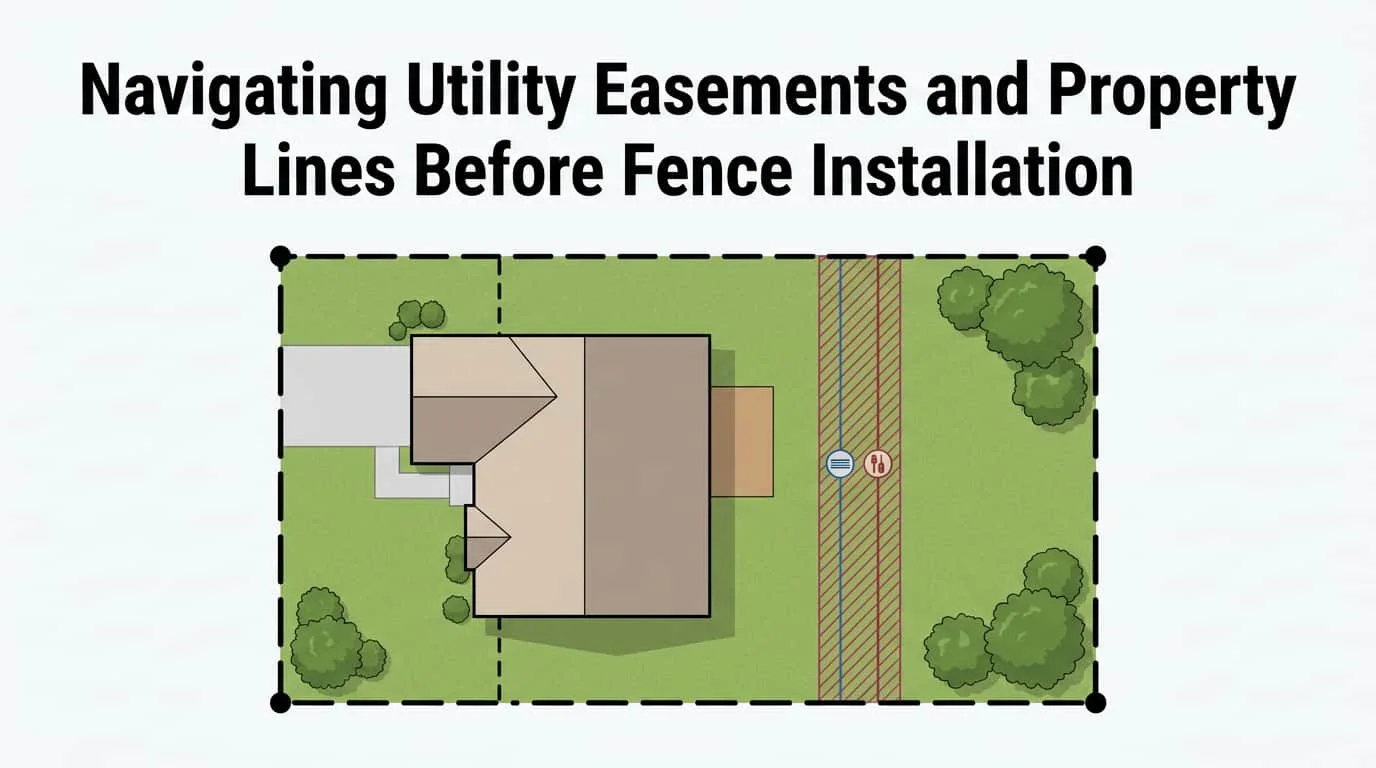
Utility easements are legal rights granting utility companies access to underground or above-ground infrastructure on your land, while property lines define your exact legal boundaries. Knowing both before digging prevents catastrophic tear-downs, heavy fines, and neighbor disputes. If you are ready to build safely, contact Byers Fence at (386) 457-2045 to navigate this process. We manage complex permitting and surveying to keep your project legally compliant and structurally sound.
A beautiful fence secures your yard, protects your children, and boosts your property value. But beneath the soil and across the paperwork, hidden boundaries dictate exactly where and how you can build. Understanding these invisible borders is essential for Central Florida homeowners.
What Are Utility Easements and Why Do They Matter?
A utility easement is a legal agreement that gives a municipal or private utility company the right to access a specific portion of your property. They matter because building a permanent structure over these access points can result in the city tearing down your brand-new fence at your expense.
We often think we own every inch of our land outright, but utility companies hold access rights to maintain critical infrastructure. You will typically encounter easements for water. lines, sewer pipes, electrical grids, cable wiring, and storm drainage. Florida experiences intense weather, meaning utility companies frequently need rapid access to these systems to restore power or prevent flooding.
If a water main bursts and your new privacy fence sits directly on top of the water easement, the utility workers will remove your fence to fix the pipe. They are not legally obligated to rebuild it. You lose your investment entirely. Checking your property deed or consulting the county clerk of courts reveals exactly where these zones sit, keeping your backyard upgrade safe from future destruction.
How Do You Find Accurate Property Lines?
You find accurate property lines by hiring a licensed land surveyor to locate the exact legal pins buried in the ground at the corners of your lot. Accurate boundaries matter because building even two inches onto your neighbor's yard means a 100% chance you will be legally forced to tear down and relocate the entire structure.
Many homeowners assume existing landscaping, old fences, or a simple glance at a county appraiser's plat map represents their true property lines. These assumptions often lead to disastrous legal disputes. Over time, fences settle, and neighbors unintentionally plant gardens across boundaries. A professional land survey—which typically costs between $400 and $600 in Central Florida—provides the gold standard of legal protection. The surveyor will mark your exact corners with physical stakes.
Reading a survey can feel like interpreting a foreign language. Working with experienced fence contractors Deltona, Florida homeowners trust ensures you interpret these technical documents correctly. Your contractor uses this survey to pull the correct permits and set the posts exactly where they belong, shielding you from costly boundary lawsuits.
What Are Florida's Unique Permitting and HOA Rules?
Florida requires specific building permits and stringent Homeowners Association (HOA) approvals to ensure fences survive hurricane-force winds and protect local storm drainage. Bypassing these crucial steps leads to severe daily code enforcement fines or mandatory removal orders.
Florida's landscape is entirely unique. Building near Lake Monroe or along the St. Johns River means dealing with strict water management and drainage regulations. A solid privacy fence that blocks a vital drainage swale can flood your neighbor's living room during a summer thunderstorm. Therefore, local county and city building departments require a detailed site plan before you dig.
HOAs add another layer of complexity. Most Florida communities have specific covenants, conditions, and restrictions (CC&Rs) dictating fence height, style, and color. Securing HOA architectural committee approval typically takes 14 to 30 days. You must submit your survey, your contractor's licensing, and material samples. Reliable fence contractors Deltona, Florida relies on will handle this heavy lifting. Professional fence installation teams secure the necessary permits and provide the exact documentation your HOA demands.
What Steps Guarantee a Seamless Fence Installation?
You guarantee a seamless project by calling 811, securing an updated land survey, and getting written HOA approval before digging a single hole. These proactive steps matter because they legally protect your investment and keep your family safe from hitting highly dangerous electrical lines.
Before your project begins, here is your essential checklist:
- Call Before You Dig: Florida law requires calling 811 to have underground utilities marked. This process takes exactly 2 to 3 business days.
- Obtain a certified survey: Ensure your survey is recent and clearly displays all easements and property lines.
- Consult the Building Department: Verify whether your specific address requires a permit for the fence height and material you chose.
- Review HOA Guidelines: Read your neighborhood's bylaws to guarantee your desired fence complies with local aesthetic standards.
- Communicate with Neighbors: Discussing shared property lines fosters goodwill and prevents surprise disputes once the trucks arrive.
Partnering with knowledgeable fence contractors Deltona, Florida residents recommend takes the stress out of this checklist. When you hire Byers Fence, we act as your essential guide, ensuring every legal box is checked before the first post goes into the ground.
What Are Common Fencing Pitfalls in Central Florida?
The most common pitfalls include blocking storm drainage easements, building dangerously close to power lines, and ignoring HOA material rules. Understanding these mistakes matters because learning from others' errors saves you thousands of dollars in replacement costs and legal fees.
One frequent issue involves drainage. In a dense Debary subdivision, a homeowner built a beautiful vinyl fence across a rear drainage easement without consulting the city. After heavy summer rains, the structure acted like a dam, flooding three adjacent yards. The city forcibly removed the fence within hours to relieve the standing water.
Another common hazard is building too close to a power line easement. Homeowners sometimes try to maximize their backyard space by pushing their fence right against the utility boundary. This creates a severe safety hazard during hurricane season and often results in the power company issuing a mandatory tear-down order.
Finally, HOA disapprovals happen frequently when homeowners attempt DIY projects. Installing a six-foot wood fence in a neighborhood that only permits four-foot aluminum fencing guarantees a swift letter from the HOA board demanding immediate removal.
Build Your Florida Fence Safely and Legally
Erecting a new fence involves far more than simply digging holes and mixing concrete. By respecting utility easements, pinpointing your exact property lines, and adhering to Florida's strict building codes, you ensure your backyard oasis stands strong for decades. You do not have to navigate the complex web of local regulations, permitting offices, and HOA boards alone. We are the local experts who live and work right here in Central Florida, and we know exactly how to protect your property.
Ready to transform your yard without the legal headaches? Contact Byers Fence at (386) 457-2045 today for your free estimate, and let us guide you through a flawless installation.