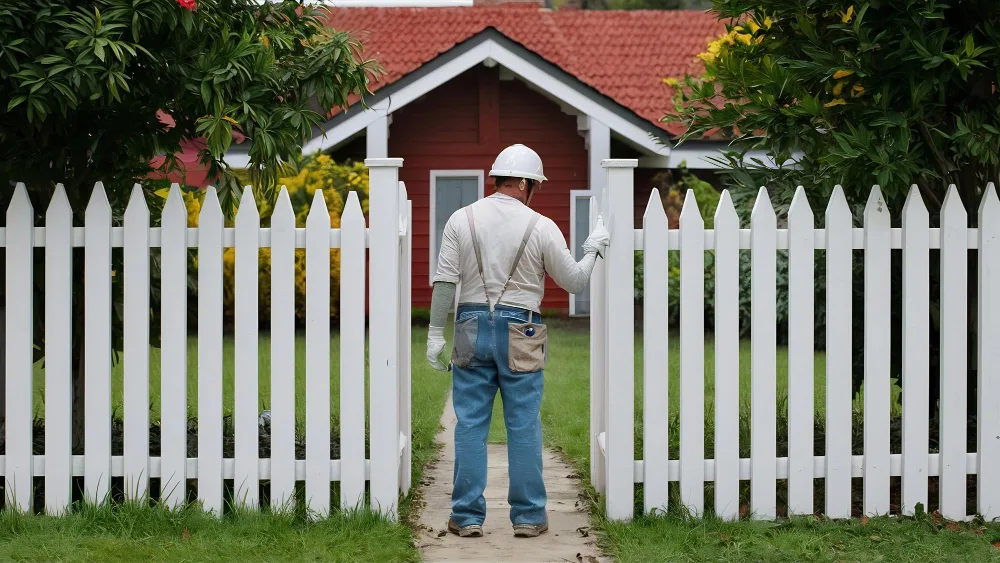
Living near the coast has its perks, but your fence isn't enjoying the view as much as you are. Ormond Beach's salt air, high humidity, and intense UV exposure create a harsh environment that breaks down fencing materials faster than almost anywhere else in Florida. The good news? With the right maintenance routine, you can add years to your fence's life and protect one of your home's most visible features.
Ready to get started? Contact Byers Fence at (386) 457-2045 for a free estimate on fence installation or repair in the Ormond Beach area.
How Does Coastal Weather Damage Fences in Ormond Beach?
Salt air and moisture accelerate deterioration across every fence material, often cutting a fence's lifespan by 30 to 50 percent compared to inland properties. Homes near Granada Boulevard or along the A1A corridor face constant salt-laden breezes that settle on fence surfaces and slowly eat away at coatings, wood fibers, and metal components. Add Florida's average 233 sunny days per year and humidity that regularly climbs above 80 percent, and you have a combination that tests even well-built fences year-round.
Understanding what your fence is made of tells you exactly what threats to watch for.
Wood fences absorb moisture quickly, which leads to warping, rot, and mold growth. Salt air speeds up the breakdown of the wood's natural fibers and strips protective stain or paint in as little as 12 to 18 months without reapplication.
Vinyl fences resist moisture better than wood, but prolonged UV exposure causes discoloration and brittleness. Salt deposits also leave chalky residue that builds up over time if left uncleaned.
Aluminum fences hold up well against rust, but salt air can still cause pitting and oxidation on the surface coating. Loose posts and joints are the bigger concern, as repeated wind and storm exposure weakens the structural connections over several years.
What Does a Good Fence Cleaning and Inspection Routine Look Like?
Clean your fence every 3 to 6 months in Ormond Beach, not once a year like many homeowners assume. Salt residue builds up quickly, and leaving it on the surface causes damage that compounds over time.
Here's a practical cleaning process that works for most fence types:
- Rinse first. Use a garden hose to wash off loose salt, dirt, and debris. Start at the top and work downward.
- Scrub with a mild solution. Mix one cup of white vinegar or a small amount of dish soap into a gallon of warm water. Use a soft-bristle brush to scrub posts, rails, and pickets. For vinyl fences, a Magic Eraser or non-abrasive pad handles stubborn salt stains well.
- Rinse thoroughly. Make sure no soap or cleaning solution remains, as residue can attract dirt and hold moisture against the surface.
- Inspect while it's clean. A wet fence makes it easier to spot cracks, soft spots in wood, loose fasteners, or rust spots on metal components. Check post bases closely, since ground contact is where deterioration almost always starts first.
- Look at hardware. Hinges, latches, and screws corrode faster than the fence panels themselves in a coastal environment. Replace any hardware showing significant rust before it fails.
A thorough inspection twice a year, ideally in spring before hurricane season and again in late fall, gives you the best chance of catching problems while they're still minor repairs rather than full replacements.
What Sealants and Treatments Work Best in Florida's Climate?
Florida's UV index regularly hits 10 or above during summer months, which degrades unprotected fence surfaces faster than most product labels suggest. Choosing the right protective treatment for Ormond Beach's conditions makes a real difference in how long that protection lasts.
For wood fences: Use a penetrating oil-based sealant with UV inhibitors rather than a surface-only paint or stain. Products rated for tropical or marine environments hold up far better in coastal conditions. Reapply every 12 to 18 months, or sooner if you notice water no longer beads on the surface. Pressure-treated lumber treated with copper-based preservatives also provides a better base to start with in this climate.
For vinyl fences: Apply a UV-protectant vinyl conditioner once or twice a year. These products slow down the chalking and brittleness that Florida sun causes and are available at most home improvement stores for $15 to $30 per bottle. They're easy to apply with a cloth and take less than an hour for a standard residential fence.
For aluminum fences: A coat of automotive-grade wax applied to the frame creates a barrier against salt and moisture. Touch up any scratches or chips in the powder coating promptly with matching touch-up paint, since exposed metal corrodes quickly in humid coastal air.
Should You Handle Fence Maintenance Yourself or Call a Professional?
Routine cleaning and minor touch-ups are tasks most Ormond Beach homeowners can handle on their own. Replacing a single damaged picket, tightening loose hardware, or applying a fresh coat of sealant falls well within a typical DIY Saturday project.
A few situations call for professional help, though.
Call a licensed fence contractor when you notice: leaning or sinking posts, sections that have shifted out of alignment, wood that feels soft or spongy when pressed, or damage after a tropical storm. Posts set in Florida's sandy coastal soil can shift significantly after heavy rain or wind events, and resetting them correctly requires the right tools and experience to get it done properly.
We regularly handle fence repair calls in the Ormond Beach area following storms, and one pattern we see consistently is that small issues left unaddressed for even one season tend to turn into much larger structural problems. A loose post that costs $150 to $300 to reset correctly can lead to a full section replacement costing $800 to $1,500 or more if the surrounding panels sustain additional stress damage over time.
If your fence is nearing 10 to 15 years old, a professional assessment can also help you decide whether targeted repairs still make financial sense or whether fence installation of a new fence is the smarter long-term investment.
Protecting Your Property Value Through Proactive Fence Care
A well-maintained fence does more than mark your property line. It directly affects curb appeal, which real estate professionals consistently link to faster sales and stronger offers. In neighborhoods like Ormond-by-the-Sea and near Fortunato Park, where outdoor living and privacy are priorities for many homeowners, a deteriorating fence sends the wrong signal to prospective buyers and neighbors alike.
The most cost-effective approach is a simple one: clean twice a year, inspect every season, treat surfaces before they need it rather than after damage appears, and call a professional when a problem is beyond routine upkeep.
That consistent routine keeps small maintenance costs small and prevents the kind of major repairs that catch homeowners off guard.
Ready to Schedule a Free Estimate?
Byers Fence serves Ormond Beach and the surrounding Volusia County area with licensed and insured fence installation and repair. Call us at (386) 457-2045 or reach out online to schedule your free consultation. Whether your fence needs a repair after storm season or you're planning a new installation, our team is ready to help you protect your property.