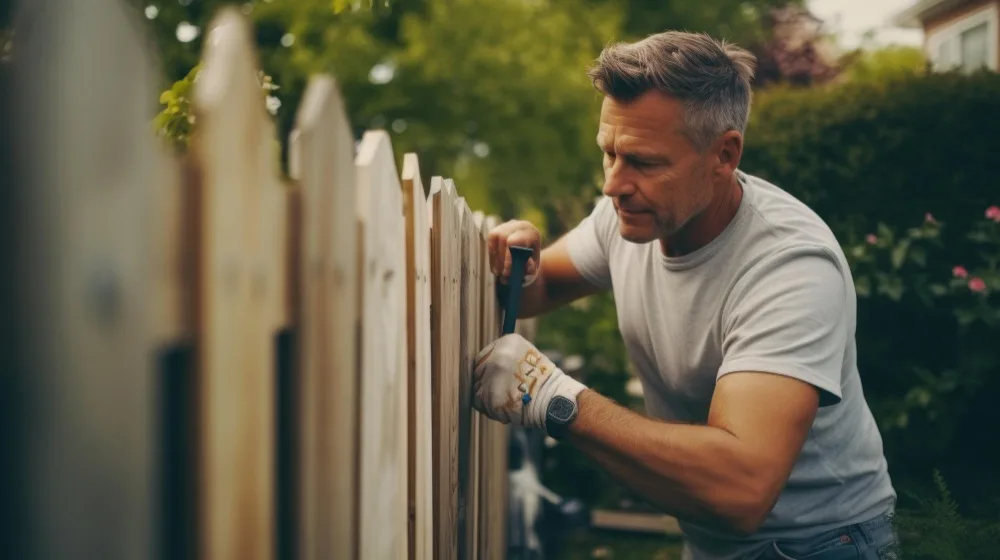
Living in Sanford, Florida, means enjoying beautiful sunshine, lush landscapes, and, let's be honest, intense weather. From the scorching summer heat to the heavy rains of hurricane season, your home’s exterior takes a beating. This is especially true for your fence.
When you look out into your backyard, you want to see a structure that offers privacy and security, but also one that stands strong against the elements. Choosing the right material is the first step in ensuring your investment lasts. While vinyl and aluminum are popular, there is a timeless appeal to a classic wood fence that many homeowners love. But not all wood is created equal, especially when it has to survive the unique climate of Central Florida.
This guide breaks down the best wood options for your Sanford home, what factors you need to consider before installation, and how to keep your fence looking great for years to come.
What should you consider before choosing a wood fence?
Before you pick a lumber type, you need to think about how it will handle Sanford's specific environment. Our climate is tough on wood. The high humidity—often hovering between 70-80% in the summer—can lead to rot and warping if you aren't careful.
Here are the main factors to keep in mind:
- Durability: How long will the wood last against rot, decay, and insect attacks?
- Cost: Does the material fit your budget for both installation and long-term maintenance?
- Aesthetics: Does the grain and color match your home’s style and the historic charm of areas like Sanford’s historic district?
- Weather Resistance: Can it withstand the intense UV rays and the heavy winds of storm season?
What are the best wood options for Florida fences?
When you start looking for fence contractors in Sanford Florida, you’ll likely hear about three main types of wood: Cedar, Pressure-Treated Pine, and Cypress. Each has its pros and cons.
Cedar
Cedar is often considered the gold standard for wood fencing. It has natural oils that make it resistant to insects and decay without needing chemical treatments. This makes it a great choice if you want a natural look that holds up well.
- Why it works in Florida: It resists warping and shrinking better than many other woods, which is crucial in our humid climate.
- Cost: It is generally more expensive upfront than pine, but its longevity can save you money on repairs down the road.
Pressure-Treated Pine
If you drive around neighborhoods like Cameron's Landing or Wyndham at Markham, you’ll see plenty of pressure-treated pine fences. It is the most common wood fence material in Florida for a reason: affordability.
- Why it works in Florida: The chemical treatment processes force preservatives deep into the wood, protecting it against termites and rot. With proper care, it can last 15-20 years.
- Cost: A wood privacy fence typically costs between $20-35 per linear foot installed in the Central Florida market. Pine will be on the lower end of that spectrum, making it a budget-friendly option.
Cypress
Native to the South, Cypress is naturally rot-resistant and contains cypretine, a natural chemical that repels insects. It’s often sourced locally, which can be an eco-friendly bonus.
- Why it works in Florida: It handles wet, swampy conditions very well—perfect if your property near Lake Monroe tends to retain water.
- Cost: The price can fluctuate based on availability, but it generally sits between pine and cedar.
Other Options
While less common, redwood is another durable option, though it comes with a high price tag due to shipping costs. Some homeowners also consider vinyl as an alternative to wood because it mimics the look but offers a 20-30 year lifespan with very low maintenance.
How important is proper installation?
Even the best wood will fail if it isn't installed correctly. Fence installation is more than just digging a hole and dropping in a post. In Sanford, we have to account for loose, sandy soil and high water tables.
Posts need to be set deep enough to withstand high winds. Remember, Florida building codes generally require wind resistance ratings of 130-150 mph. Proper drainage around the posts is also critical to prevent premature rotting at the base. If the posts sit in standing water after our daily summer thunderstorms, they will decay much faster.
How do you maintain a wood fence in Florida?
Maintenance is the key to longevity. You can't just install a wood fence and forget about it. The Florida sun is brutal and will turn vibrant wood gray within a year if unprotected.
Staining and Sealing: You should stain or seal your fence every 2-3 years. This creates a barrier against moisture and UV rays.
Cleaning: Pressure wash your fence annually to remove mold and mildew, which thrive in our humidity.
Inspections: Walk your fence line regularly. Look for loose boards, rusted nails, or signs of termite damage.
If you notice damage, don't wait. Small issues turn into big problems quickly here. Whether it’s a loose picket or a leaning post, timely fence repair can extend the life of your entire fence by years.
How much does a wood fence cost?
Budget is always a major factor. When comparing options, you have to look at the total cost of ownership, not just the installation price.
- Pressure-Treated Pine: Lowest upfront cost ($20-$25/ft), but higher maintenance costs for staining and sealing. Lifespan: 10-15 years.
- Cedar: Higher upfront cost, lower maintenance, naturally beautiful weathering. Lifespan: 15-20+ years.
- Cypress: Mid-range cost, excellent water resistance. Lifespan: 15-20 years.
For a standard suburban yard requiring about 150 linear feet of fencing, a pressure-treated pine fence might cost around $3,000 to $5,250 installed, while cedar could push that price higher. Always get a specific quote from fence contractors in Sanford Florida to get an accurate number for your specific property size and needs.
Are there local regulations I need to know?
Yes, absolutely. Before you start digging, you need to know the rules. In Sanford and Seminole County, there are specific zoning laws regarding fence height and placement.
- Permits: Orange County and Seminole County generally require permits for fence replacement or new installation, which can cost between $200-500.
- HOA Rules: If you live in a community with an HOA, they often have strict guidelines on materials and colors. They might require a specific style of white vinyl or natural wood. Always check your bylaws first.
- Pool Safety: If you have a pool, Florida law requires a barrier that is at least 4 feet high with self-latching gates to ensure child safety.
Which wood is right for you?
The "best" wood depends on your specific situation.
- Choose Pressure-Treated Pine if: You are on a strict budget and are willing to keep up with regular staining and sealing.
- Choose Cedar if: You want a premium look, less maintenance, and have a bit more room in your budget.
- Choose Cypress if: Your yard tends to stay wet, or you prefer a native Florida wood.
No matter which material you choose, a fence is a significant investment that adds value, privacy, and security to your home.
Ready to build your perfect fence?
Don't let the choices overwhelm you. We are here to help you navigate the options and find the perfect solution for your home. Whether you need a new installation or just a repair on an existing structure, you need a partner who understands the local landscape.
We are your neighbors in Central Florida, and we know exactly what it takes to build a fence that stands up to our weather. If you're looking for experienced fence contractors in Sanford Florida, look no further.
Call Byers Fence today at (386) 457-2045 or contact us online to schedule your free consultation.